<?xml version="1.0" encoding="utf-8"?><feed xmlns="http://www.w3.org/2005/Atom" ><generator uri="https://jekyllrb.com/" version="4.4.1">Jekyll</generator><link href="https://edconway-notes.com/feed.xml" rel="self" type="application/atom+xml" /><link href="https://edconway-notes.com/" rel="alternate" type="text/html" /><updated>2026-09-04T14:04:03+00:00</updated><id>https://edconway-notes.com/feed.xml</id><title type="html">Just some notes</title><subtitle>A blog rambling about music, shape note singing, and anything crafty.</subtitle><entry><title type="html">Dungeon Synth: the coolest microgenre you’ve (likely) never heard of</title><link href="https://edconway-notes.com/music/2026/09/01/learn-about-dungeon-synth.html" rel="alternate" type="text/html" title="Dungeon Synth: the coolest microgenre you’ve (likely) never heard of" /><published>2026-09-01T00:00:00+00:00</published><updated>2026-09-01T00:00:00+00:00</updated><id>https://edconway-notes.com/music/2026/09/01/learn-about-dungeon-synth</id><content type="html" xml:base="https://edconway-notes.com/music/2026/09/01/learn-about-dungeon-synth.html"><![CDATA[<style>
.album-row {
  display: flex;
  gap: 15px;
  flex-wrap: wrap;
}

.album {
  position: relative;
  width: 250px;
}

.album img {
  display: block;
  width: 100%;
  height: auto;
}

.album-overlay {
  position: absolute;
  inset: 0;
  display: flex;
  align-items: center;
  justify-content: center;
  background: rgba(14, 13, 13, 0.7);
  color: white;
  opacity: 0;
  transition: opacity 0.2s ease;
}

.album:hover .album-overlay {
  opacity: 1;
}
</style>

<p>I often need music to work. But I don’t need music that will distract me, nor do I need music that bores me. Before 2021, it was an ongoing struggle to find something that struck this balance.</p>

<p>That year, when my need for focus-music was at its height, I came across a micro genre that has since become the soundtrack to my working hours.</p>

<!--more-->

<p style="text-align: center; font-family: 'Jacquard 12'; font-size: 250%;">Dungeon Synth</p>

<p>The youtube algorithm was working overtime to push me 15 min to 2 hour albums with that phrase. It was too random a word pairing to ignore, and quickly sent me down a rabbit hole. But even after lurking in this music community for 5 years, I struggle to explain what this music is.</p>

<p>“DIY dark fantasy electronic music,” is the closest I’ve come. But it’s not always dark. It’s not always fantasy. Heck, it’s not even always electric. But any music created under the umbrella of “dungeon synth” is made in relation to this concept, even if the elements and influences are swapped out.</p>

<p>And you’ll find this microgenre will quickly outgrow even those definitions — I still can’t explain how the subgenres of this microgenre lead to an album titled <a href="https://www.youtube.com/watch?v=1LO3zWGi_u0" target="_blank">Unemployed Uncle Bob</a>. We often have to stick labels on art for the sake of algorithms and price tags, so I’m personally fascinated by spaces where people create for fun and community, and not necessarily for profit and attention.</p>

<p>Dungeon Synth is by no means the only instance of this; but I invite you to follow me to this one small corner of the internet where this collision of collective creativity happens.</p>

<div align="center">
  <img src="/assets/images/general/blog/dungeon-synth-intro/ds-post-1.png" alt="Youtube comment that says maybe 2020 isn't so bad. I just discovered perhaps the greatest genre of music to have ever existed." style="width: 90%; height: auto;" />
</div>

<h2 id="where-did-it-come-from">Where did it come from?</h2>

<p>Short answer: DS is a distant, internet-based offshoot of ambient Norwegian black metal.</p>

<p>Long answer: I don’t know. This genre has diverged so much from black metal, that I struggle to map the boundaries as they currently stand.</p>

<p>Fortunately, there are others who have put in the work on its history and influences:</p>

<ul>
  <li><a href="https://www.superjumpmagazine.com/exploring-dungeon-synth/" target="_blank">“Exploring Dungeon Synth: Music, RPG’s, and Nostalgia,”</a> by Karl Otty, is a nice written introduction to the genre that includes an interview with DS legend, Erang.</li>
  <li><a href="https://www.youtube.com/watch?v=DG6Svb0f_sM" target="_blank">“Dungeon Synth, A Long Introduction | Esoteric Internet,”</a> by Pseudiom is an impressive attempt to summarize the history of this genre into a 47-minute video.</li>
</ul>

<p>Is learning the history of Dungeon Synth essential to appreciating it? No, not really. But history gives context and clues on how to engage with a work. What’s at first a jarring combination of words (Dungeon + Synth) starts to make more sense.</p>

<div align="center">
  <img src="/assets/images/general/blog/dungeon-synth-intro/ds-post-2.png" alt="Youtube comment that says never underestimate the power of fantasy escapism. It has given hope to many whilst the world around them fell apart. Musical gifts like this wonderful album are always to be treasured." style="width: 90%; height: auto;" />
</div>

<h2 id="is-ds-apolitical">Is DS (a)political?</h2>

<p>This is a question I’ve chewed on for years. Is the appeal of this music escapism? And what are people escaping to?</p>

<p>It’s been insisted that there’s nothing political at all about wanting to make/listen to hours of music that follow vague storylines of bygone ages and fantasy worlds, and knights and chivalry, and battles of good and evil, and corruption and decay. ….Okay.</p>

<p>And I don’t think there’s anything overtly political about this. Escapism is a band-aid for problems both societal and personal, and there’s a lot in the world to escape from right now. But DS <em>is</em> said to derive from Norwegian black metal, which has a politically charged history and fanbase. It’s ‘extreme’ music that can channel extreme beliefs.</p>

<p>DS is (usually) not extreme music. Though I have seen some DS music and labels identify themselves with political movements, art of any kind can become a political vehicle.</p>

<p>It’s more interesting to think of how exactly people use DS as escapism — which varies widely. Sometimes that escapism is wholesome, where people are exploring the fantastical and narrative possibilities of music. And sometimes that escapism has me going “hmmmmm….”, such as orientalist albums that capture a very stereotypical sound of a culture without any seeming ties to that culture. And sometimes that escapism is obviously coming from a place of personal healing from mental health challenges. And sometimes it’s fanart of a fantasy series, like LotR, The Elder Scrolls, or Earthsea. And then sometimes an album just comes off as being made by an edgelord with a synth.</p>

<p>One thing that seems to unite the DS community, however, is a disdain for AI-generated music. Many creators will proudly promote their album as “Non-AI” music, and receive ovations in the comments from that alone.</p>

<p>I think that’s because this is a very DIY genre. It feels aligned with punk music in that way, with a love of analog merch, like cassette tapes and vinyl (I even have one). There’s little profit to be made, except in creative satisfaction, and anyone with a computer can theoretically make it. Why would you offload all the fun to a robot?</p>

<p>For that reason alone, it’s worth checking out; because chances are, you’ll find your new favorite album.</p>

<div align="center">
  <img src="/assets/images/general/blog/dungeon-synth-intro/ds-post-3.png" alt="Youtube comment that says never underestimate the power of fantasy escapism. It has given hope to many whilst the world around them fell apart. Musical gifts like this wonderful album are always to be treasured." style="width: 60%; height: auto;" />
</div>

<h2 id="five-years-of-favorite-albums">Five years of favorite albums</h2>

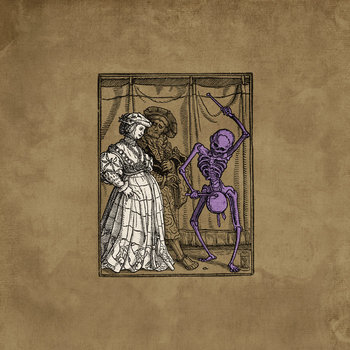
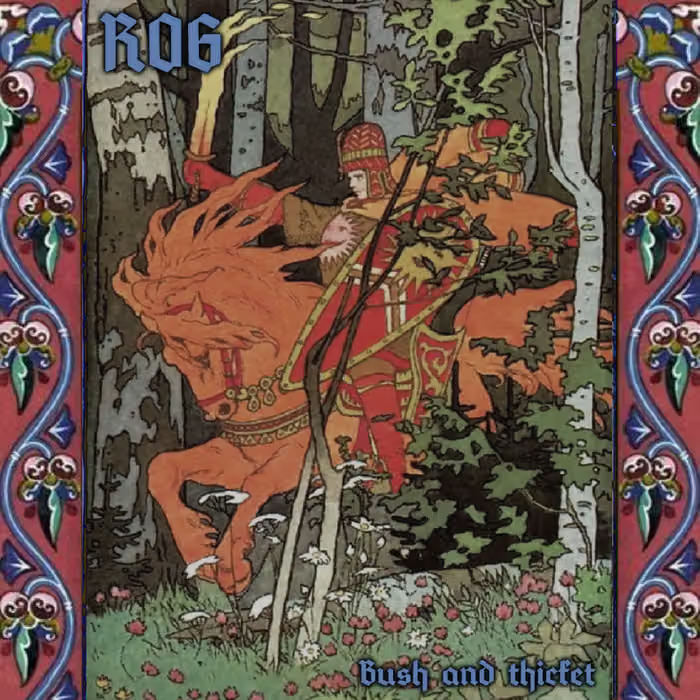
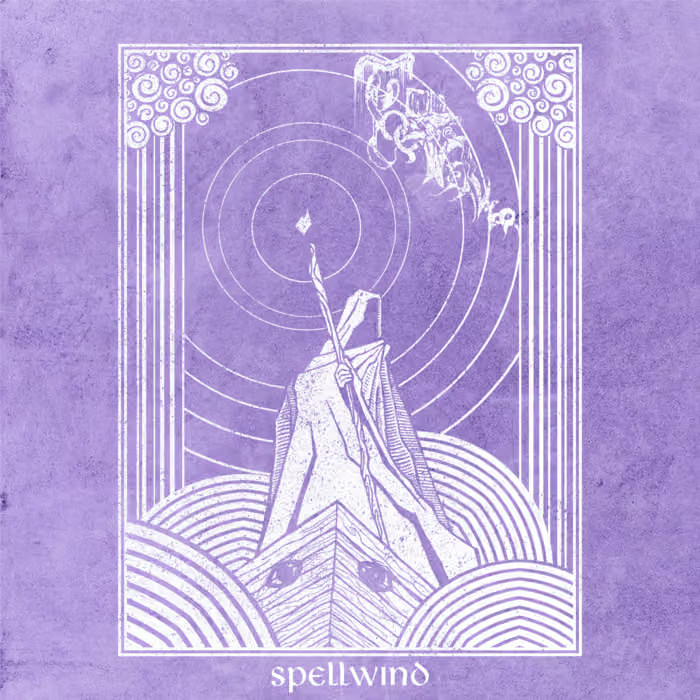
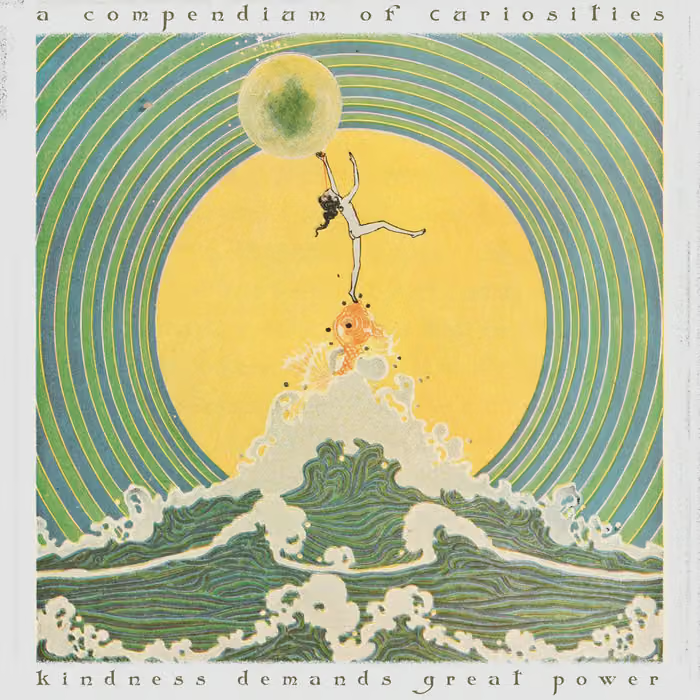
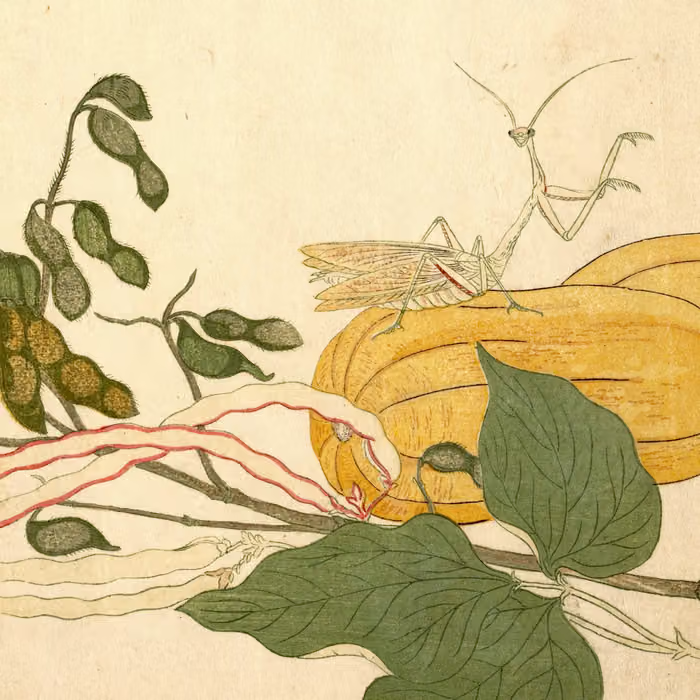
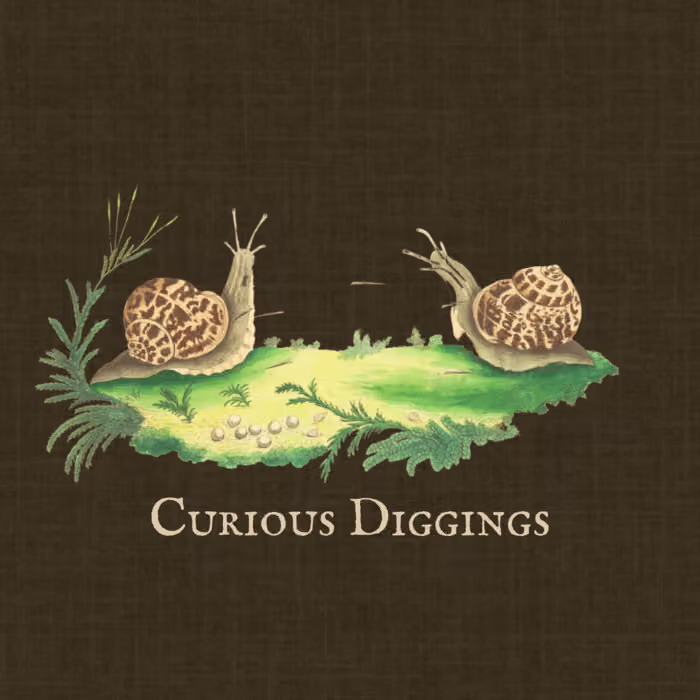
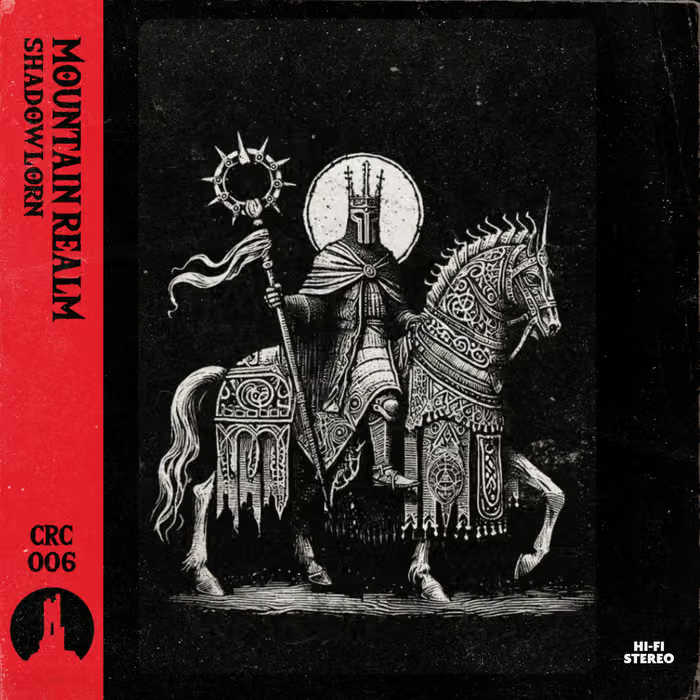
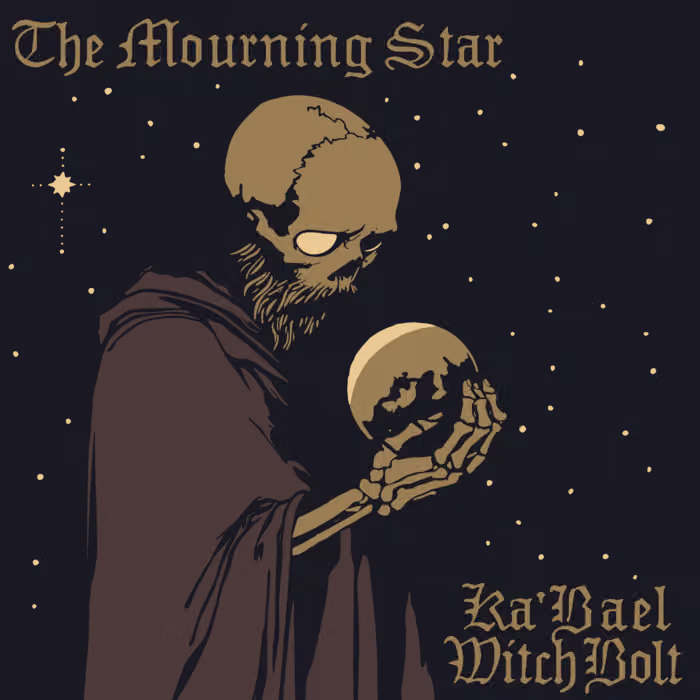
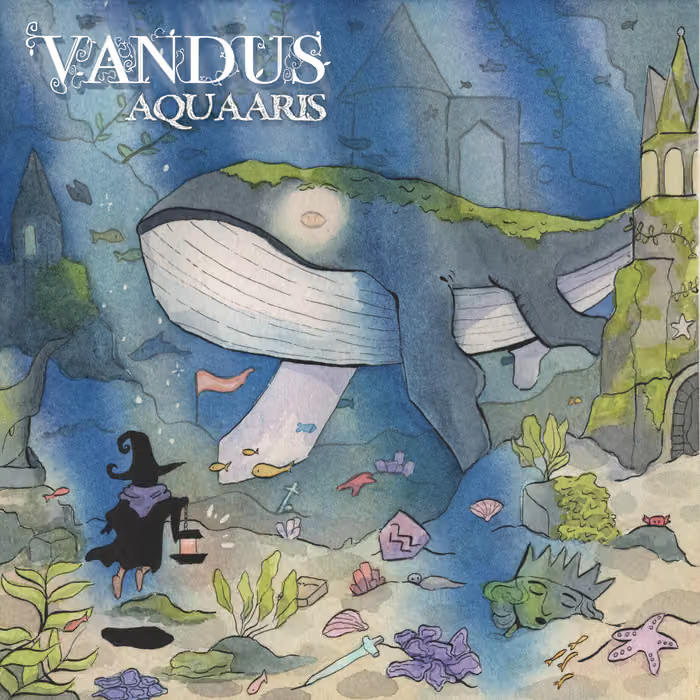
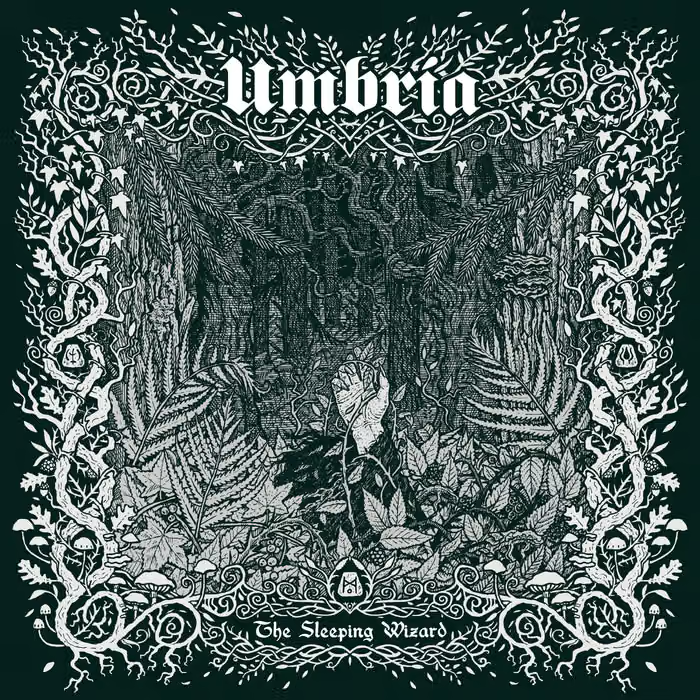
<p>To help you begin your journey into DS, I wanted to share just some of my favorites. These aren’t necessarily the best albums or the most universally beloved; but I’ve listened to probably hundreds of DS/Comfy synth/frog synth/bug synth/dino synth/fantasy ambient albums at this point, and these are some of the ones I return to the most, in no particular order.</p>

<div class="album-row">

  <div class="album">
    <a href="https://www.youtube.com/watch?v=MvD14b2Pkro">
      <img src="https://f4.bcbits.com/img/a2534303916_2.jpg" alt="Album cover for Onion Knight's The Bard, with a medieval woman watching a skeleton play the drum." style="width:250px;height:250px;" />
      <div class="album-overlay"><em>The Bard</em>&nbsp;by Onion Knight</div>
    </a>
  </div>

  <div class="album">
    <a href="https://www.youtube.com/watch?v=DffQVP6UqVQ">
      <img src="https://f4.bcbits.com/img/a1584038331_2.jpg" alt="Album cover for Fief's 2, with a green dragon resting in a grove by a fire." style="width:250px;height:250px;" />
      <div class="album-overlay"><em>II</em>&nbsp;by Fief</div>
    </a>
  </div>

  <div class="album">
    <a href="https://www.youtube.com/watch?v=-xlt0cNnd_c">
      <img src="https://f4.bcbits.com/img/a1418743250_1x1_700.avif" alt="Album cover for Rog's Bush and Thicket, with an illustration of a man dressed like the sun riding on a horse with a flaming sword." style="width:250px;height:250px;" />
      <div class="album-overlay"><em>Bush and Thicket</em>&nbsp;by Rog</div>
    </a>
  </div>

  <div class="album">
    <a href="https://www.youtube.com/watch?v=TPdTH2ZZy9k">
      <img src="https://f4.bcbits.com/img/a3313536129_1x1_700.avif" alt="Album cover for Fogweaver's Spellwind, with an illustration of a man in a cloak on a wooden boat with eyes." style="width:250px;height:250px;" />
      <div class="album-overlay"><em>Spellwind</em>&nbsp;by Fogweaver</div>
    </a>
 </div>

  <div class="album">
    <a href="https://www.youtube.com/watch?v=gLnayBF6Qe4">
      <img src="https://f4.bcbits.com/img/a736204421_1x1_700.avif" alt="Album cover for A Compendium of Curiosities' Kindness Demands Great Power, with an illustration of a child on top of a wave catching the moon." style="width:250px;height:250px;" />
      <div class="album-overlay"><em>Kindness Demands Great Power</em>&nbsp;by A Compendium of Curiosities</div>
    </a>
  </div>

  <div class="album">
    <a href="https://www.youtube.com/watch?v=GPZYeLzDE-Y">
      <img src="https://f4.bcbits.com/img/a3053897037_1x1_700.avif" alt="Album cover for Chypho's Entomongaku, with an illustration of a praying mantis on a gourd near some soybeans." style="width:250px;height:250px;" />
      <div class="album-overlay"><em>Entomongaku</em>&nbsp;by Chypho</div>
    </a>
  </div>

  <div class="album">
    <a href="https://www.youtube.com/watch?v=-2ns3KEjvx4">
      <img src="https://f4.bcbits.com/img/a3557532413_1x1_700.avif" alt="Album cover for Shire Oak's Curious Diggings, with an illustration of two snails firing darts at each other with eggs nearby." style="width:250px;height:250px;" />
      <div class="album-overlay"><em>Curious Diggings</em>&nbsp;by Shire Oak</div>
    </a>
  </div>

  <div class="album">
    <a href="https://www.youtube.com/watch?v=QyYOrvygOzA">
      <img src="https://f4.bcbits.com/img/a2769087990_1x1_700.avif" alt="Album cover for Mountain Realm's Shadowlorn, with an illustration of a sinister knight on an oranmented horse, holding a staff." style="width:250px;height:250px;" />
      <div class="album-overlay"><em>Shadowlord</em>&nbsp;by Mountain Realm</div>
    </a>
  </div>

  <div class="album">
    <a href="https://www.youtube.com/watch?v=4ADNyjfm-l0">
      <img src="https://f4.bcbits.com/img/a2550357301_1x1_700.avif" alt="Album cover for Ka'Bael and Witchbolt's The Mourning Star, with an illustration of a bearded skeleton in a robe holding a planet." style="width:250px;height:250px;" />
      <div class="album-overlay"><em>The Mourning Star</em>&nbsp;by Ka'Bael and Witchbolt</div>
    </a>
  </div>

  <div class="album">
    <a href="https://www.youtube.com/watch?v=05YGGRh_Ks0">
      <img src="https://f4.bcbits.com/img/a3975143917_1x1_700.avif" alt="Album cover for Vandus's Aquaaris, with an illustration of a witch underwater encountering an ancient whale." style="width:250px;height:250px;" />
      <div class="album-overlay"><em>Aquaaris</em>&nbsp;by Vandus</div>
    </a>
  </div>

  <div class="album">
    <a href="https://www.youtube.com/watch?v=vUb5Fm0xQeI">
      <img src="https://f4.bcbits.com/img/a3428219238_1x1_700.avif" alt="Album cover for Umbría's The Sleeping Wizard, with an illustration of a hand emerging from dense foliage in the woods." style="width:250px;height:250px;" />
      <div class="album-overlay"><em>The Sleeping Wizard</em>&nbsp;by Umbría</div>
    </a>
  </div>

</div>

<p>If you like to lead the charge on your own personal journey into DS, <a href="https://www.youtube.com/@TheDungeonSynthArchives" target="_blank">The Dungeon Synth Archives</a> and <a href="https://www.youtube.com/@TheComfySynthArchives" target="_blank">Comfy Synth Archives</a> are good starting points.</p>]]></content><author><name></name></author><category term="music" /><category term="dungeon synth" /><category term="music recs" /><summary type="html"><![CDATA[I often need music to work. But I don’t need music that will distract me, nor do I need music that bores me. Before 2021, it was an ongoing struggle to find something that struck this balance. That year, when my need for focus-music was at its height, I came across a micro genre that has since become the soundtrack to my working hours.]]></summary></entry><entry><title type="html">A review of the Viola da Gamba</title><link href="https://edconway-notes.com/music/2026/08/05/viola-da-gamba-review.html" rel="alternate" type="text/html" title="A review of the Viola da Gamba" /><published>2026-08-05T00:00:00+00:00</published><updated>2026-08-05T00:00:00+00:00</updated><id>https://edconway-notes.com/music/2026/08/05/viola-da-gamba-review</id><content type="html" xml:base="https://edconway-notes.com/music/2026/08/05/viola-da-gamba-review.html"><![CDATA[<p>One night at <a href="https://campfasola.org/" target="_blank">Camp FaSoLa</a> this year, a singer from NY sat next to me in the alto section and we got to chatting (as you do).</p>

<p>“I’m going to be in your part of the world next month for my <em>other</em> music cult,” she told me after seeing my home town on my name tag. “The viola da gamba.”</p>

<p>Every year, the <a href="https://www.vdgsa.org/" target="_blank">Viola da Gamba Society of America</a> (VdGSA) hosts a week-long “Conclave” — a gathering of gambists where they play music together, hear lectures, attend workshops, buy and sell instruments and paraphernalia, and just geek out over a love of early modern music.</p>

<p>I had never seen a <a href="https://www.youtube.com/watch?v=BO2JeKiwbvQ" target="_blank">viola da gamba</a> in the flesh; and seeing the excitement that lit in me, she encouraged me to sign up last minute for Conclave’s beginner class, which was free for locals.</p>

<p>Why not? I love joining music cults. 
<!--more--></p>
<div align="center">
  <figure>
    <img src="/assets/images/general/blog/vdg-conclave-26/treble-viol.jpg" alt="A treble viol in its soft case." style="width: 90%; height: auto;" />
    <figcaption>A treble viol.</figcaption>
  </figure>
</div>

<h2 id="what-is-a-viola-da-gamba">What is a viola da gamba?</h2>

<p>Here’s what I can discern:</p>

<ul>
  <li>It is family of a bowed, fretted string instrument that were popular during the Renaissance and Baroque periods (not ancestors of the violin/viola/cello, but in the same family tree)</li>
  <li>They often (but not always) have 6 strings, and range in size from being played in your lap to the size of a modern double-bass.</li>
  <li>They use gut strings (as opposed to modern steel strings), and a <a href="https://www.youtube.com/watch?v=OP_gPPxm3Ek" target="_blank">baroque bows</a> (which are shaped differently than modern bows).</li>
  <li>You play them between your legs, but they don’t have pins that prop them up like modern cellos do, so your legs are holding them up.</li>
  <li>They’re not uniform in style and construction (compared with modern violins/cellos, which can feel like products of an assembly line)</li>
  <li>They’re played in a leisurely and relaxed style. “It is an instrument of the leisure class,” I, a person infamously unable to relax, was repeatedly told.</li>
</ul>

<p>That would make it seem like I know something about this instrument, but my friends, this is really just the tip of the iceberg.</p>

<h2 id="how-do-you-play-these-things">How do you play these things?</h2>

<p>Quite badly, at first. There were a few concepts I had to make peace with on day 1.</p>

<h3 id="an-instrument-of-many-clefs">An instrument of many clefs</h3>

<p>Different viol sizes read different clefs (treble, alto, bass), and my class seemed to all gravitate towards the clefs we knew.</p>

<p>I was the only one to choose the small treble viol. I thought the size of the instrument would feel more natural, coming from violin/viola, even if it was played in my lap. Plus, it reads treble clef, my mother tongue of music.</p>

<p>The problem is… this isn’t a violin. Rather than four strings, each 5 notes apart (E - A - D - G), these are six strings, spaced 4 notes apart, except when they’re not (D - A - E - C - G - D, for treble and bass viol). You’re essentially playing a lute like a cello.</p>

<p>The mental gymnastics of sightreading on this configuration was like reciting the alphabet backwards, and I had to engage in my least favorite past-time of <em>thinking in half-steps</em>.</p>

<p>But my brain feasts on these music puzzles. The A-string turned out to be exactly like on the violin, and beyond that, it was a matter of thinking in intervals (thank you shape note singing).</p>

<div align="center">
  <figure>
    <img src="/assets/images/general/blog/vdg-conclave-26/touching-hair-aahh.jpg" alt="A hand awkwardly holding a baroque bow, while touching the hair" title="Aaahhhh!!!" style="width: 90%; height: auto;" />
    <figcaption>It feels so wrong.</figcaption>
  </figure>
</div>

<h3 id="the-infernal-bow">The infernal bow</h3>

<p>I struggled immensely with the bow, which you hold underhanded (palm up rather than down). Using gravity to <em>pull into</em> the instrument rather than to <em>push down</em> was odd to say the least, though it encourages that “leisurely” tone.</p>

<p>One of my classmates was a double-bass player at a music conservatory. I asked him if holding the bow this way felt more natural to him, since some bass players use a very similar German bow grip.</p>

<p>He nodded. “Touching the bow hair is weird though.”</p>

<p>That’s right, this instrument asks you to commit the egregious crime of <em>touching the bow hair</em> (gasp!), a huge sin in the world of modern instruments since the oils in your hand make this part of the bow unusable and darkens the hair.</p>

<p>Gambists couldn’t care less about this. Contrary to what many bowed instrument teachers would have you believe, though, the world did not end.</p>

<h3 id="gut-strings-made-with-well-guts">Gut strings made with… well, guts</h3>

<p>Can you be vegan and play viola da gamba?</p>

<p>I asked myself this question a lot that week, but was never brave enough to voice this publicly.</p>

<p>There’s a lot of very good reasons steel strings became all the rage after WWI. They’re louder, break less, and stretch much much less (incredibly) than gut strings, which were the standard for thousands of years. Steel strings also, importantly, don’t require harvesting animal intestines.</p>

<p>What little I can find on the matter suggests that the intestines used for gut strings are byproducts of the meat industry, which might otherwise be used for sausage casings and dog food. And Baroque instruments, it turns out.</p>

<p>Gut strings are much softer on the fingers, and they produce a softer, celestial sound that requires less brute force than steel. They also constantly went sharp? On an instrument already tuned flat? (Tuning this instrument is an existential crisis, I don’t want to get into it.) I haven’t decided whether I like them more than steel, but they undeniably are difference.</p>

<p>The answer my wife and I came to on my vegan question: it probably depends.</p>

<div align="center">
  <figure>
    <img src="/assets/images/general/blog/vdg-conclave-26/frets.jpg" alt="Close up of a treble viol's frets, tied to the fingerboard with nylon." style="width: 90%; height: auto;" />
    <figcaption>Check out those frets.</figcaption>
  </figure>
</div>

<h3 id="oh-frets">Oh frets</h3>

<p>These are adjustable frets. What a crazy sentence. Why even have frets at all?</p>

<p>We were warned against holding the instrument certain ways to prevent the nylon/gut frets from slipping, and that advanced players will even tune the frets (we are <em>not</em> getting into tuning).</p>

<p>Having begun music on a fretless instrument, I find frets limiting (as <a href="https://www.youtube.com/watch?v=vFRSiQGNZFo" target="_blank">people getting into microtones</a> discover). Adjustable frets confound me even more.</p>

<p>But as usual, I got over myself. The frets have their benefits. It’s helpful for beginners, for one, when muscle memory hasn’t been established. And with your fingers placed slightly above each fret, with no vibrato, it produces a distinct harmony between the instruments that’s downright intoxicating.</p>

<h2 id="on-being-a-beginner">On Being a Beginner</h2>

<p>Most of the beginner class came into this from other instruments, myself included, which was helpful…. up to a point.</p>

<p>“I’m not used to being a beginner,” said one classmate, who is a guitar professor, when describing the experience.</p>

<p>I love being a beginner. There’s no pressure to sound good on an instrument. In fact, you’re expected to sound the worst you’ll ever be. And people laud you with praise and applause because they don’t want you to be discouraged. The student showcase at the end of the week made me feel like I was 10 years old at my first youth orchestra performance.</p>

<p>But when you’ve reached a certain level on an instrument (or voice), and switch to another instrument or genre, it’s incredibly frustrating to start from square one again.</p>

<p>I’ve gone through that process a few times now, and have finally gotten used to being bad. Many of my classmates approached this humility with a humorous edge, and that also helped.</p>

<p>One classmate, though, had a particularly frustrating time. She’d come from cello, and seemed determined to find fault in her instrument rather than in the learning curve. I watched her try to draw such confessions from two professionals, who repeatedly tried to explain that the viola da gamba is not, in fact, a cello. Her instruments (she tried multiple) were fine.</p>

<p>It was painful to watch. All I can hope is that she found enlightenment and humility in the end.</p>

<div align="center">
  <figure>
    <img src="/assets/images/general/blog/vdg-conclave-26/size-comparison-vl.jpg" alt="A violin on the left and a treble viol on the right, nearly the same size." style="width: 90%; height: auto;" />
    <figcaption>How the treble viola da gamba (right) compares with my fiddle.</figcaption>
  </figure>
</div>

<h2 id="on-being-a-beginner-gambist">On being a beginner…. gambist?</h2>

<p>Can I recommend the viola da gamba as an instrument to learn?</p>

<p>If you enjoy Baroque music, then absolutely — and why wouldn’t you, the music is beautiful (not to mention it’s polyphony, like in shape note music)! This is probably one of the best instrument introductions I’ve ever had. But it has little to do with the instrument itself, and more with the viola da gamba community (which is definitely a music cult).</p>

<p>The VdGSA makes it pretty easy to get into the world of early modern instruments — it’s not free, but it’s a lot cheaper than you’d expect for this kind of niche.</p>

<p>While my lessons <em>and</em> my instrument rental for Conclave were free, I did have to sign up for VdGSA membership ($40/year). With that, you receive their quarterly newsletter, and access to <a href="https://www.vdgsa.org/grants-and-programs" target="_blank">grant programs, scholarships,</a> a player directory, and their <a href="https://www.vdgsa.org/rental-viols" target="_blank">instrument rental program</a>. Instrument rentals start at $300/year, about $1 a day, with a $100 security deposit. That’s comparable to the rate of some violin rentals — and if you need to have it shipped to you, VdGSA takes on the $400 shipping cost. These people <em>really</em> want you to play viola da gamba.</p>

<p>Like many small, niche music communities, there’s also a sense of family.</p>

<p>When I sat down for the opening ceremony, an older woman started conversation with me (as you do). She’d been playing the instrument for over 50 years after having seen a viola da gamba concert as a teenager, and coming to Conclave was her chance to reunite yearly with friends she’d made over her lifetime.</p>

<p>After peppering me with questions, I explained how I came to be there, shape note singing and all.</p>

<p>“Oh, Jean was telling me about you! She’s so happy you came,” she said with clasped hands.</p>

<p>It turned out this gambist used to teach the woman who invited me!</p>

<p>If it wasn’t clear by now: I will have a rental treble viol for the next year.</p>

<p>(I didn’t really mention the amazing concerts they had at Conclave, but I’d be remiss to not mention there was a <a href="https://edconway-notes.com/music/2026/07/23/instrument-wishlist">lirone</a> at one of them!)</p>]]></content><author><name></name></author><category term="music" /><category term="instruments" /><category term="baroque" /><category term="viol" /><summary type="html"><![CDATA[One night at Camp FaSoLa this year, a singer from NY sat next to me in the alto section and we got to chatting (as you do). “I’m going to be in your part of the world next month for my other music cult,” she told me after seeing my home town on my name tag. “The viola da gamba.” Every year, the Viola da Gamba Society of America (VdGSA) hosts a week-long “Conclave” — a gathering of gambists where they play music together, hear lectures, attend workshops, buy and sell instruments and paraphernalia, and just geek out over a love of early modern music. I had never seen a viola da gamba in the flesh; and seeing the excitement that lit in me, she encouraged me to sign up last minute for Conclave’s beginner class, which was free for locals. Why not? I love joining music cults.]]></summary></entry><entry><title type="html">Instruments I want but would probably rarely play: the story of my life</title><link href="https://edconway-notes.com/music/2026/07/23/instrument-wishlist.html" rel="alternate" type="text/html" title="Instruments I want but would probably rarely play: the story of my life" /><published>2026-07-23T00:00:00+00:00</published><updated>2026-07-23T00:00:00+00:00</updated><id>https://edconway-notes.com/music/2026/07/23/instrument-wishlist</id><content type="html" xml:base="https://edconway-notes.com/music/2026/07/23/instrument-wishlist.html"><![CDATA[<p>I suffer from an enormous craving to purchase new instruments. I generally don’t give in because I hate spending money; so I wallow in longing for $1000+ (for ensured quality) string instruments in extended games of unrequited love.</p>

<p>It’s always string instruments, because they’re close enough to the violin (or are cousins to the violin) to convince myself I could, in fact, magically play them upon picking one up. An instant connection.</p>

<p>In reality, each of these instruments comes with their own playing style, history, and repertoire that would break the romantic illusion instantly — except for maybe the Pochette.</p>

<p>But such longing doesn’t die easily. I regularly research makers of these instruments and fantasize traveling to places like Sweden or Oregon to pick one up.</p>

<p>Until the inevitable day that I make these purchase, I wanted write up a little love note to each.
<!--more--></p>
<ol>
  <li><a href="#the-pochette-violin">Pochette Violin</a></li>
  <li><a href="#the-octave-violin">Octave Violin</a></li>
  <li><a href="#the-viola-damore">Viola d’Amore</a></li>
  <li><a href="#the-hardanger-fiddle">Hardanger Fiddle</a></li>
  <li><a href="#nyckelharpan">Nyckelharpa</a></li>
  <li><a href="#the-erhu">Erhu</a></li>
  <li><a href="#the-hurdy-gurdy">Hurdy-Gurdy</a></li>
  <li><a href="#honorable-mention-devon-macrae">Honorable Mention</a></li>
</ol>

<h2 id="the-pochette-violin">The Pochette Violin</h2>

<p>Also known as a kit violin or a traveling violin – <em>pochette</em> sounds more fancy, but the name is also practical: “pochette” meaning small pocket, as in <a href="https://www.youtube.com/watch?v=Q_-voNY5_gs" target="_blank">a violin you can fit in your pocket</a>. They used to be more common, since they were convenient for small and informal settings.</p>

<p>There’s not necessarily one universal design for these, so it’s always interesting to see what form they’ll take. Usually the fingerboard and neck remain untouched, and it’s the body of the instrument that’s shrunken in various ways. This gives these violins a whispering sound, like you’re hearing it played in another room.</p>

<p>My tale of woe is that I used to have one, after years of pining, purchased, incredibly, on an Ebay auction for $100. It arrived in the mail from Seattle in perfect condition, and came with an unusual bow: a cheap plastic one sawn in half with a wooden peg inserted on one side, meaning if you disassembled it (removing the peg from the stick) you could condense the bow to be a similar size to the violin, for maximum portability. The violin’s scroll was in the shape of a pig. Delightful.</p>

<p>I hung it on the wall and brought it camping. I even planned to have a friend build a custom case for it.</p>

<p>While returning from having it measured, I happened to stop by our fiddle store and thought to show it off. The friend at the front desk pointed out that the neck seemed to be tearing. Not a good sign.</p>

<p>I left it to be repaired, being initially told that the fix could cost more than what I paid for the instrument. But then it got worse: as they pulled away the fingerboard, it turned out a worm (now gone) had gone through and <a href="/assets/images/general/blog/2026-instrument-wishlist/the-violin-horror.jpeg" target="_blank">eaten away all around the wooden interior</a>.</p>

<p>“You’re lucky this fiddle didn’t break apart in your hands!” I was told.</p>

<p>The fiddle was unsalvageable. But for $200 (after paying for work done) it makes for a decent wall hanging.</p>

<h2 id="the-octave-violin">The Octave Violin</h2>

<p>I’ve never seen one in the wild, but I’ve heard them on recordings: cellos that don’t quite sound like cellos. The playing style doesn’t quite match a cello, nor does the instrument resonate to its full potential, in a way probably only cello/violin players can tell.</p>

<p>The gap between learning to play the violin and learning to play the cello wider than people think. Sure, in theory, I could “play the cello,” but the muscle memory doesn’t translate like it does to, say, learning the viola. So having an octave violin has an appeal.</p>

<p>Technically, one doesn’t need to purchase an “octave” violin to accomplish this. The “octave” part is achieved by the strings, which are much thicker than the traditional G-D-A-E. But you also can’t slap these on any violin and call it a day: violin bridges (the piece of light-colored wood that holds the strings up in the center of the instrument) are made specifically for those thinner strings, both in the grooves cut into them as well as the tension they can receive. There are ways to DIY the bridge and allow the strings to be comfortably used, but some people will therefore make violins expressly for this purpose, and help support that deeper sound on such a tiny instrument.</p>

<p>This leads into a whole fascinating Baroque rabbit hole of historical viola instruments that fit within this range, such as the <a href="https://www.youtube.com/watch?v=XD4kNY34AoE" target="_blank">viola da spalla</a>, that I don’t have the wallet to get into. (All violin rabbit holes eventually lead to Baroque music.) Also, the viola da spalla kind of frightens me — it’s like a cello hiding as a viola.</p>

<h2 id="the-viola-damore">The Viola d’Amore</h2>

<p>Talk about Baroque rabbit holes. The aptly named viola d’amore (viol of love) is, to me, <a href="https://www.youtube.com/watch?v=zQSbtkIVSTM" target="_blank">the final boss of violas</a>. 6-7 strings with 6-7 additional sympathetic strings beneath (which ring out when certain notes are played). It has the richness of a viola, but with all those strings, it also has a truly discombobulating D major tuning scheme (usually).</p>

<p><a href="https://www.youtube.com/watch?v=m1Qmmx7zoO8" target="_blank">Renown violinist Rachel Barton Pine says</a> she found it quite hard to learn to play: it took her two months to learn scales, and that the instrument is so heavy, she has to practice in bite-sized chunks of time throughout the day (for context, this is a violinist who’s been regularly practicing a full-time job’s worth of hours on the violin since she was a child, and says even 45 minutes on the viola d’amore is too much).</p>

<p>But love is sometimes irrational, and out of any on this list, the viola d’amore is high up there on ones I’d like to own some day. <a href="https://hmtrad.com/" target="_blank">The House of Musical Tradition</a> near D.C. had <em>two</em> for sale a couple years ago, and I regularly kick myself for not making the irrational splurge on this instrument that I would have little practical opportunity to play.</p>

<h2 id="the-hardanger-fiddle">The Hardanger Fiddle</h2>

<p><em>Sigh</em> , what can I say about the Norwegian hardanger fiddle that doesn’t devolve into bad poetry? These fiddles, to me, are the answer to what violins would be <a href="https://www.youtube.com/watch?v=AYSVDG8ZFNw" target="_blank">if they leaned fully into folk art</a>. Unbelievably beautiful instruments both in visual style and sound (I’m a sucker for inlays). American fiddles often must bend the limitations of classical violins to achieve folk music through cross tunings and bridge modifications; but hardanger fiddles are made purely with Norwegian folk music in mind.</p>

<p>This is to say, there are differences between these fiddles and standard violin/fiddles that go beyond ornamentation. There are extra “sympathetic” strings. The bridge is more rectangular to make double-stops (playing on multiple strings) easy. They are tuned differently. These differences alone would make for a trippy experience coming from violin.</p>

<p>They are also quite hard to find in the U.S., and also quite expensive. The best and easiest way to get your hands immediately on one would probably be to sign up for <a href="https://www.hfaa.org/about-our-workshops/2026-summer-workshop-instructors" target="_blank">the Hardanger Fiddle Association of America’s summer workshop</a> in which they have a loan program. After that, it may be time to choose an organ to sell.</p>

<h2 id="nyckelharpan">Nyckelharpan</h2>

<p>The nyckelharpa comes up more in my conversation than it should. I always describe it as, “what if you combined a violin and a typewriter?” (And I’m not the only one.) I also think of it as a more versatile version of the hurdy gurdy (to be covered below).</p>

<p>It’s also surprisingly recognizable. Sounds kind of like a violin? But has the whispering <em>pop</em> of…. a typewriter? <a href="https://www.youtube.com/watch?v=tXv0P0l-JFE" target="_blank">It’s a nyckelharpa</a>.</p>

<p>People love buttoned and fretted instruments, which makes sense. Having predominantly played non-fretted instruments my whole life, I find them a nuisance. But that’s also what intrigues me about this one. What would it be like to bow something with buttons?</p>

<p>I also just find them to be beautiful instruments, both in their sound and look. The sympathetic strings (are we noticing a trend?) give it this haunting ringing sound, while the short bow seems to necessitate quicker bowing changes — perfect length for dancing tunes, I imagine.</p>

<p>My web browser routinely lands on the <a href="https://www.nyckelharpa.org/" target="_blank">American Nyckelharpa Association</a>, where my pining seems certain to be endless: while they do, wonderfully, have a loaner program, they, understandably, require you to take lessons. My geographic location would necessitate me to take those lessons online which… I may resort to, but I may have more pining to do first.</p>

<h2 id="the-erhu">The Erhu</h2>

<p>All the instruments on this list so far have come from European music traditions due to my frame of reference on the violin. But there are instruments from other traditions that I find myself drawn to, most prominently <a href="https://youtu.be/tu5XohUR3Pg?si=IErBkbfkiIZav2DJ&amp;t=123" target="_blank">the Chinese erhu</a>.</p>

<p>The erhu is sometimes dubbed “the Chinese violin,” which may have been what piqued my interest when I was younger — but I find such analogies, while reflective of our points of cultural reference, severely lacking to the point of being unhelpful. There’s very few similarities between the erhu and the violin, one being posession of a D and A string and that both are bowed instruments — many cultures have instruments like this though.</p>

<p>I think my interest in the instrument comes from my encounters with it: once when my city’s youth orchestra toured in China and we did a joint concert with an orchestra of traditional Chinese instruments (that was reeeeally cool), and I knew someone in college who played the erhu. That’s more exposure than I’ve had to some of these other instruments.</p>

<p>I like the sound of the erhu, and how the style of playing takes advantage of its fretless-ness. And I’m so intrigued by the bow: it’s “threaded” between the two strings, which kind of blows my mind.</p>

<h2 id="the-hurdy-gurdy">The Hurdy-Gurdy</h2>

<p>Don’t we all go through a hurdy-gurdy phase? Mine was in 2019, at a time when I was <a href="https://www.youtube.com/watch?v=qgZp9DoW3CY" target="_blank">listening to a lot of medieval music reconstructions</a>. It’s just kind of a fascinating instrument. The crank and buttons makes it feel so mechanical — like it was invented by a steampunk artist. And who can resist a droning instrument?</p>

<p>The concept of a rosin wheel is also quite fascinating, and I hadn’t really seen it anywhere else until the <a href="https://www.pickasobow.com/" target="_blank">Pickaso Guitar Bow company</a>, whose ads periodically target me despite not playing the guitar, created <a href="https://www.youtube.com/watch?v=N7B5sxk9OlA" target="_blank">an electronic version</a> of this very concept — with cool attachments to boot.</p>

<h2 id="honorable-mention-devon-macrae">Honorable mention: Devon MacRae</h2>

<p>I have to give a special mention to <a href="https://www.macraestrings.com/" target="_blank">this one particular luthier</a> I’ve come across online who has, quite brazenly, made instruments that are combinations of many on this list:</p>

<ul>
  <li><a href="https://www.macraestrings.com/hardanger-d-amore" target="_blank">The Hardanger d’Amore and the Grande Hardanger d’Amore</a></li>
  <li><a href="https://www.macraestrings.com/pochette-hardanger" target="_blank">Pochette Hardanger</a></li>
  <li><a href="https://www.macraestrings.com/da-spalla-damore" target="_blank">Violoncello da Spalla d’amore</a></li>
</ul>

<p>Talk about niche, but someone had to do it! (And I may be bold enough to purchase one, one day.)</p>

<p>Another instrument that used to be on this list (and in some sense still is), is <a href="https://www.youtube.com/watch?v=8nRyG0IPQ0E" target="_blank">the viola da gamba</a> — a frequent player in my Baroque rabbit holes. But in an unexpected string of events, I will actually have the opportunity to learn this instrument this upcoming week!</p>

<p>Will I fall in love with this terribly niche and expensive (though obtainable) instrument? Will I commit myself another music cult? Am I fool to think any of my violin skills will carry over to this fretted, lap-playing, under-hand bow-gripping, lute-tuned, <a href="https://www.youtube.com/watch?v=Sh-ufJ8fJ8c" target="_blank">treble viol</a>?</p>

<p>Tune in next time to find out.</p>

<p>(I also have a crush on <a href="https://www.youtube.com/watch?v=ybig-0BBihA" target="_blank">the lirone</a>, but if you see me going around trying to buy lirones, I’ve truly gone off the deep end.)</p>]]></content><author><name></name></author><category term="music" /><category term="instruments" /><category term="baroque" /><summary type="html"><![CDATA[I suffer from an enormous craving to purchase new instruments. I generally don’t give in because I hate spending money; so I wallow in longing for $1000+ (for ensured quality) string instruments in extended games of unrequited love. It’s always string instruments, because they’re close enough to the violin (or are cousins to the violin) to convince myself I could, in fact, magically play them upon picking one up. An instant connection. In reality, each of these instruments comes with their own playing style, history, and repertoire that would break the romantic illusion instantly — except for maybe the Pochette. But such longing doesn’t die easily. I regularly research makers of these instruments and fantasize traveling to places like Sweden or Oregon to pick one up. Until the inevitable day that I make these purchase, I wanted write up a little love note to each.]]></summary></entry><entry><title type="html">First time keying at a convention: an autopsy</title><link href="https://edconway-notes.com/music/2026/07/17/keying-convention.html" rel="alternate" type="text/html" title="First time keying at a convention: an autopsy" /><published>2026-07-17T00:00:00+00:00</published><updated>2026-07-17T00:00:00+00:00</updated><id>https://edconway-notes.com/music/2026/07/17/keying-convention</id><content type="html" xml:base="https://edconway-notes.com/music/2026/07/17/keying-convention.html"><![CDATA[<p>A week before a recent shape note singing convention in my state, I received an email asking if I could key a session.</p>

<p>Having keyed at our local group for over a year, I knew the ask was inevitable. Still, keying your first convention session is incredibly daunting: 75+ friends, strangers, and mentors waiting eagerly for their starting note every few minutes for nearly an hour. Compared to the usual audience of a dozen locals, some of whom always call their favorites, and others who are just happy you even attempt keying, it feels a long way from home. 
<!--more-->
And what even <em>is</em> keying?</p>

<p>Trained singers, musicians, and music-newbies alike find the practice baffling. As the adage goes, we sing in “the key of convenience,” meaning regardless of the key printed on the page, the key will be what’s singable in the moment.</p>

<p>A helpful generalization is that it’ll be <a href="https://sacredharp.com/2013/07/29/the-pitchers-role-in-sacred-harp-music/" target="_blank">a whole step or so below the written key</a>; but that can be misleading depending on who’s present and how tired/energized people’s voices are. We’ll pitch some songs intentionally low at our local sings in the absence of a bass section. And for some big singings, it’s almost expected that the songs will be pitched high.</p>

<p>As a competent but still novice keyer, I’ve been told that each song will have many “correct” keys. And that while there’ll always be one that allows a particular section(s) to hit their high notes with that magical “sparkle” (direct quote), the correct key is ultimately one people can sing.</p>

<p>While that brings some comfort, keying for an All-Day or Convention comes with the baggage of etiquette and expectation. Good enough keying will go unremarked, but bad keying will be noticed and remarked upon under breaths. Or in my case, on my face.</p>

<p>In light of that, I wanted to record some takeaways from my experience and pass on the advice I received.</p>

<h2 id="advice-i-received-on-keying-my-first-all-dayconvention">Advice I received on keying my first All-Day/Convention</h2>

<p>I happened to receive the email at a post-sing social four states over with very experienced singers. They were ready to give me a pep talk.</p>

<p>Like a lot of advice on keying, some of it was contradictory. One singer described keying as an incredibly humbling experience. Another said it was empowering, and a chance to stand up for oneself and your skill. (Both can be true.)</p>

<p>But there were some suggestions that were later reiterated by other singers I reached out to:</p>

<ol>
  <li>
    <p><strong>Find someone to spot you.</strong></p>

    <p>There’s a lot of pressure riding on the ability to key at a moment’s notice. Some of that can be relieved, I was told, by having someone nearby whom I trust to give confirmation or indicate adjustment.</p>

    <p>The person who would’ve been my first choice wasn’t able to attend this convention. So I reached out to another singer I knew. He enthusiastically consented, and saved me on one song that I’d pitched too high: he signaled me to adjust it almost immediately, and everyone I talked with afterwards said they didn’t even noticed.</p>
  </li>
  <li>
    <p><strong>Don’t let people rush you.</strong></p>

    <p>Everyone acknowledges the intense pressure to produce keys fast; but everyone also said, emphatically, that it’s better to take time to find the right key, than quickly produce a bad one.</p>

    <p>I took (what felt like) an embarrassing amount of time to key 264b Millbrook (ShH); but everyone’s praise to me afterwards was, “good keying,” “spot on,” “great intuition,” which made me more proud of myself than anything.</p>
  </li>
  <li>
    <p><strong>Key from where you’re comfortable.</strong></p>

    <p>One of the many expectations with keyers is that they sit on the front bench of the tenor section. It’s partly practical (you’re directly facing the person leading) as well as ceremonial (a reward for taking on the keying role).</p>

    <p>But I am a natural alto. I almost never sing tenor, except in the square and when necessary at my local group. It’s a personal preference, but as a result, I wasn’t sure how I’d manage keying from this section (particularly when still recovering from another convention the week before).</p>

    <p>I’d seen people key from other sections, and the people I talked with affirmed this was fine to do, listing off all the people they knew who never key from the tenors. The priority is to get good keys, not to test my abilities.</p>

    <p>I let the chair know I’d be keying from the altos, and have no regrets. There are, however, some drawbacks based on my experience and those I’ve seen of others.</p>

    <p>For one, people will forget that you’re behind them. It’s helpful to make an announcement at the beginning of the session to let people know where you’re sitting. But still, they will forget.</p>

    <p>The person I had spotting me was in the tenors, and was good about quickly directing people my way.</p>

    <p>It was also therefore helpful to sit on the far end of the front alto row, rather than in the center. This made it a bit easier to interact with them, so they didn’t have to spin a full 180.</p>

    <p>As a first-time session keyer, I was also given the choice of which session to key on the first day. My gut told me to go with the second (out of five), and people confirmed my suspicion: it’s an easier time to key, since people’s voices are warmed up, and I didn’t need to contend with the highs and lows of the post-lunch sessions.</p>
  </li>
  <li>
    <p><strong>Feel empowered to say ‘no.’</strong></p>

    <p>This one wasn’t universal advice. But I did receive it, and as a people-pleaser, it was a good reminder that while keying is a needed service, I could offer it on my own terms. If I didn’t think I could key well that day, I could’ve politely decline.</p>

    <p>You’re probably more capable than you think; but at the end of the day, you’re the only one who truly knows yourself. And there are many jobs that need filling at a sing — maybe there’s somewhere else your talents will be more helpful that day.</p>
  </li>
</ol>

<p>I did ultimately say ‘yes.’</p>

<p>The singers at the social had me key some songs that night, and assured me that I would do well. Throughout the week, singers who knew me better confirmed their confidence. It was a reminder of the boundless support of this community, and made me grateful I could prove people’s confidence in me.</p>

<p>My keying that Saturday was far from perfect, but the experience won’t be added to my rotation of stress dreams. And I’ll likely key again, maybe better than before, and inevitably worse at some point. But as the <em>Sacred Harp</em> rudiments say, <a href="https://www.youtube.com/watch?v=RVgc9Wo6-yo" target="_blank">“Try again, try again, try again shall be our rule.”</a></p>]]></content><author><name></name></author><category term="music" /><category term="shape note" /><summary type="html"><![CDATA[A week before a recent shape note singing convention in my state, I received an email asking if I could key a session. Having keyed at our local group for over a year, I knew the ask was inevitable. Still, keying your first convention session is incredibly daunting: 75+ friends, strangers, and mentors waiting eagerly for their starting note every few minutes for nearly an hour. Compared to the usual audience of a dozen locals, some of whom always call their favorites, and others who are just happy you even attempt keying, it feels a long way from home.]]></summary></entry></feed>